
Backyard Chickens: Complete Beginner's Guide
Backyard Chickens - Everything you need to know before bringing home your first flock—from coop setup to daily care, written by someone who's been there....
BACKYARD LIVESTOCK
1/20/20267 min read
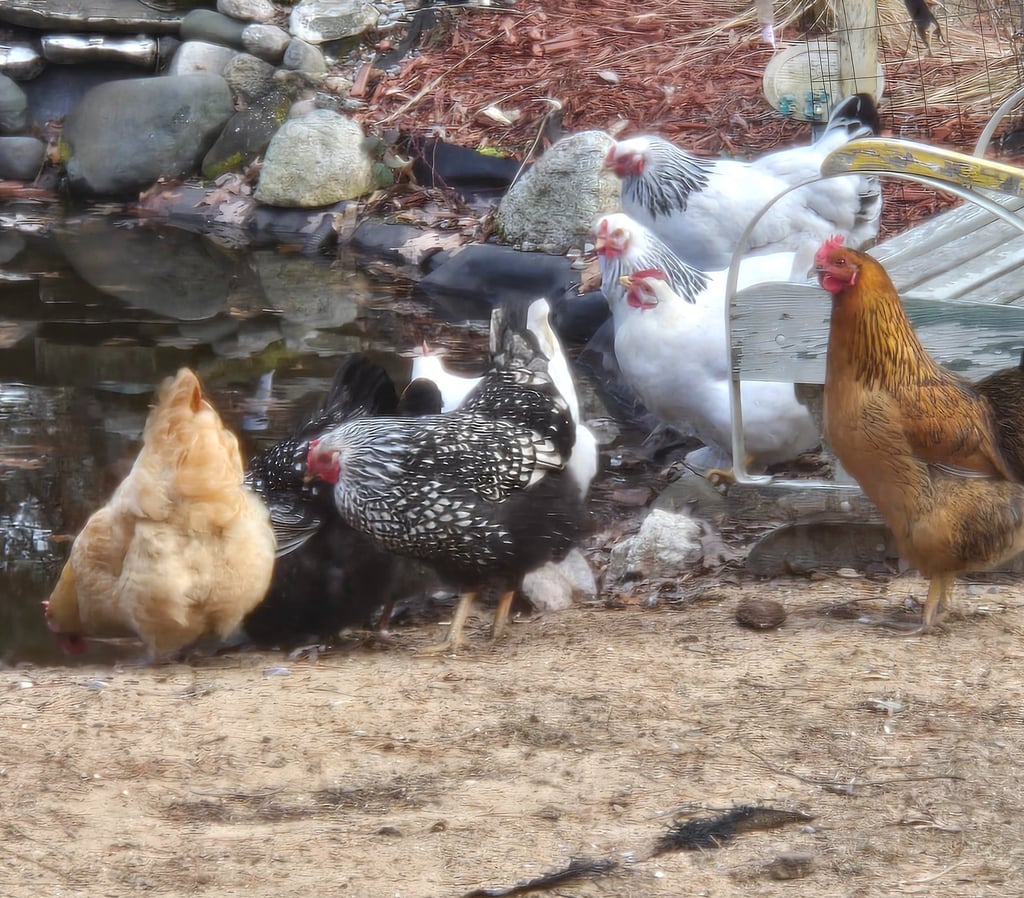
So you're thinking about getting chickens. Maybe you've been daydreaming about fresh eggs every morning, or perhaps you're tired of paying premium prices for decent eggs at the grocery store. Or maybe—like a lot of us—you just want that connection to where your food comes from, that satisfying feeling of walking out your back door and gathering breakfast.
Whatever brought you here, I'm glad you're doing your homework first. Because while backyard chickens are absolutely one of the most rewarding things you can add to your life, they're also real animals with real needs.
The good news? They're far less complicated than you might think.
The Truth About Getting Started
Let's get something out of the way right up front: you don't need a fancy setup to raise happy, healthy chickens. You really don't. I've seen people stress themselves out planning the "perfect" coop with Pinterest-worthy design elements, only to discover their chickens would've been just as content with something simpler.
What You Actually Need
The basics are straightforward:
Shelter - A secure coop for nighttime and nesting
Security - Protection from predators
Food & Water - Quality feed and fresh water daily
Your Time - About 10-15 minutes twice a day
That's the foundation. Everything else is bonus.
The Initial Investment
The initial investment does require some thought, though. You'll need a coop (bought or built), feeders, waterers, bedding, feed, and of course, the chickens themselves. Depending on how you approach it, you're looking at anywhere from a few hundred to over a thousand dollars to get started.
But here's what nobody tells you: those costs drop dramatically after the first year. Once you've got your setup, the ongoing expenses are remarkably low—mainly feed and bedding.
Choosing Your First Chickens
This is where it gets fun. There are dozens of chicken breeds out there, and honestly, you could spend hours falling down the rabbit hole of researching them all. But for beginners, I'd encourage you to keep it simple.
Best breeds for beginners:
Rhode Island Reds
Barred Rocks
Buff Orpingtons
Australorps
These breeds are hardy, friendly, and consistent layers. Plus, they tend to be forgiving of beginner mistakes (and yes, you'll make a few—we all did).
How Many Should You Start With?
How many should you start with? I'd suggest at least three or four. Chickens are flock animals and genuinely don't do well alone. They need their chicken friends. Starting with 3-4 gives you a small, manageable flock that'll still produce enough eggs to make the effort worthwhile. You'll probably get 2-3 eggs per day during peak laying season, which is plenty for most households.
Wish I'd Known: Buy your chicks from a reputable source. Whether that's a local hatchery, a trusted farm supply store, or a responsible breeder, it matters. Healthy chicks from good stock make everything easier. Dealing with health issues right out of the gate is frustrating and discouraging.
Housing: The Coop Reality Check
Your coop doesn't need to be elaborate, but it does need to be functional.
Space requirements per bird:
Inside the coop: 3-4 square feet
In the outdoor run: 8-10 square feet
So for four chickens, you're looking at a coop around 16 square feet with a run of about 40 square feet.
Security Matters More Than You Think
More important than size is security. This is where a lot of beginners get caught off guard. Predators are real, and they're persistent. Raccoons can unlatch simple hooks. Weasels can squeeze through shockingly small gaps. Hawks watch from above. Your coop needs to be Fort Knox, especially at night.
Critical tip: Use hardware cloth, not chicken wire. Chicken wire keeps chickens in; it does not keep predators out.
Here's what actually works:
Lock your coop at night with secure latches
Bury your fencing or use an apron of hardware cloth around the perimeter
Cover the top if you have aerial predators
I know it seems like overkill until the morning you discover something tried to get in during the night.
Inside the Coop
Inside the coop, you'll need roosting bars, nesting boxes (one box for every 3-4 hens), and good ventilation up high. Chickens create a lot of moisture when they breathe, and poor ventilation leads to respiratory issues.
Wish I'd Known: Chickens sleep on perches (roosting bars), not in nesting boxes. Nesting boxes are just for laying eggs. I spent way too much time wondering why mine wouldn't sleep in those nice cozy boxes I'd set up!
Daily Life With Chickens
The Honest Time Commitment
Here's the honest truth about the time commitment: chickens need about 10-15 minutes of your attention twice a day. Morning and evening, you'll check food and water, collect eggs, and do a quick visual check to make sure everyone looks healthy and the coop is secure.
Beyond that, there's a weekly clean-out of the coop (more or less frequently depending on your setup and how many birds you have), and regular maintenance of the run area.
It's not nothing, but it's also not overwhelming. Most people find it becomes a pleasant routine—a few minutes of quiet time outside, watching your flock scratch and peck and do their chicken things.
What to Feed Them
Feeding is straightforward. Use a quality layer feed appropriate for your birds' age. Keep it in a sealed container so rodents don't come calling. Fresh, clean water is absolutely critical—chickens drink more than you'd expect. In summer, you might need to refill waterers daily. In winter (and yes, chickens do fine in cold weather), you'll need to prevent water from freezing. Managing winter care involves a few adjustments, but it's totally doable.
The Egg Situation
When the Eggs Start Coming
Let's talk about what you're probably most excited about: eggs. Your hens won't start laying until they're around 5-6 months old (sometimes longer, depending on the breed and time of year). When they do start, it's magical. That first egg is a genuine thrill.
During their first year of laying, most good breeds will give you 5-6 eggs per week per hen. That production gradually decreases over the years, but even older hens usually lay a few eggs weekly. The eggs you collect will vary in size, especially at first. Pullet eggs (from young hens) are often small and adorable. As hens mature, their eggs get larger and more consistent.
The Bloom and Storage
Here's something that surprises people: eggs come out with a protective coating called "bloom" that keeps bacteria out and seals the egg. You don't need to refrigerate unwashed eggs for a couple of weeks (though many people do anyway out of habit). Once you wash eggs, though, you've removed that protective coating and they need refrigeration.
Seasonal Changes in Laying
Your hens will lay most consistently in spring and summer when daylight hours are long. Egg production typically drops in winter—that's natural. Some people add supplemental light to extend laying, but your hens also appreciate that winter break. Managing winter care involves a few adjustments, but it's totally doable.
When one of your hens stops laying and seems extra fluffy and determined to sit in the nesting box, she might be going broody. It's a fascinating (if sometimes inconvenient) part of chicken keeping.
Health and Behavior Basics
What a Healthy Chicken Looks Like
Chickens are generally hardy animals, but they do have their quirks. A healthy chicken is active, alert, has bright eyes, smooth feathers, and a red comb. They scratch, peck, dust bathe, and interact with their flock mates.
Watch for changes in behavior. A chicken that separates from the flock, seems lethargic, has discharge from eyes or nostrils, or stops eating needs attention. Respiratory issues, parasites (both internal and external), and injuries are the most common problems you'll encounter.
Dealing With Parasites
Speaking of parasites, you'll want to check periodically for mites and lice. Providing a dust bath area helps chickens keep themselves clean—they'll scratch around in dirt or sand, coating themselves to suffocate external parasites. It's also hilarious to watch.
The Pecking Order Is Real
The pecking order is real. There will be a head hen (or rooster if you have one), and everyone else falls in line below her. Some pecking and chasing is normal—that's how they establish and maintain order. Excessive aggression or bullying, however, needs intervention.
The Unexpected Joys (And Challenges)
The Personality Factor
Nobody warned me how much personality chickens have. They're not just egg machines—they're individuals with preferences, attitudes, and quirks. Some will follow you around the yard. Others will hop up on your lap if you sit down outside. A few will remain aloof and independent. It's part of what makes them so entertaining.
Garden Helpers (Sort Of)
You'll also discover that chickens are excellent garden helpers (when managed properly). They'll eat bugs, turn compost, and fertilize your soil. The key phrase there is "when managed properly"—free-ranging chickens in a vegetable garden will enthusiastically destroy your tomato plants.
Wish I'd Known: Free-ranging chickens in a vegetable garden = disaster. They don't see the difference between weeds and your prized tomatoes. Everything is fair game. Ask me how I know.
The Difficult Parts
The challenges? Predators are probably the biggest ongoing concern. Even in urban and suburban areas, you'll deal with raccoons, opossums, hawks, and neighborhood dogs. Staying vigilant never gets old. Weather extremes require attention—both heat and cold can stress your flock if you're not prepared.
And here's the hard truth: chickens don't live forever. Whether it's old age, illness, or predators, you will eventually lose birds. It's part of the deal, and it never feels great. But that's also why we don't get just one chicken—the flock continues, life continues.
Why It's All Worth It
There's something deeply satisfying about this whole endeavor. The benefits go way beyond fresh eggs, though those are certainly a highlight. It's about the morning routine of letting them out and watching them rush into the day. It's about knowing exactly where your food comes from. It's about teaching kids (if you have them) about responsibility and the cycles of life.
It's also about slowing down for a few minutes each day. Chickens operate on their own schedule—they don't care about your deadline or your stress. There's something grounding about spending time with animals who are perfectly content to just be chickens.
Taking the Next Step
You're Ready (Really)
If you're feeling excited (and maybe a little nervous) about starting your backyard flock, that's exactly the right mindset. Respect the responsibility, but don't let perfect be the enemy of good. You'll figure things out as you go. Every chicken keeper started exactly where you are now, wondering if they could really do this.
Start small. Learn as you go. Connect with other chicken keepers—online groups and local communities are incredibly helpful. Don't be afraid to ask questions. And give yourself grace when things don't go perfectly.
For a comprehensive resource that walks you through everything from choosing breeds to troubleshooting common issues, check out this complete guide. Having a solid reference on hand makes those first few months much less stressful.
Your backyard flock is waiting. And trust me, that first morning when you walk out with your coffee and collect warm eggs from your own chickens? That's a moment you'll want to repeat every single day. Welcome to the flock.
Support@rusticrootshomestead.com
© 2024 Rustic Roots Homestead - All rights reserved.