
Companion Plants for Tomatoes: Complete List
Discover the best companion plants for tomatoes including herbs, flowers, and vegetables that boost growth, repel pests, and improve flavor—plus which plants to avoid in your tomato garden.
GARDENING
1/23/20269 min read
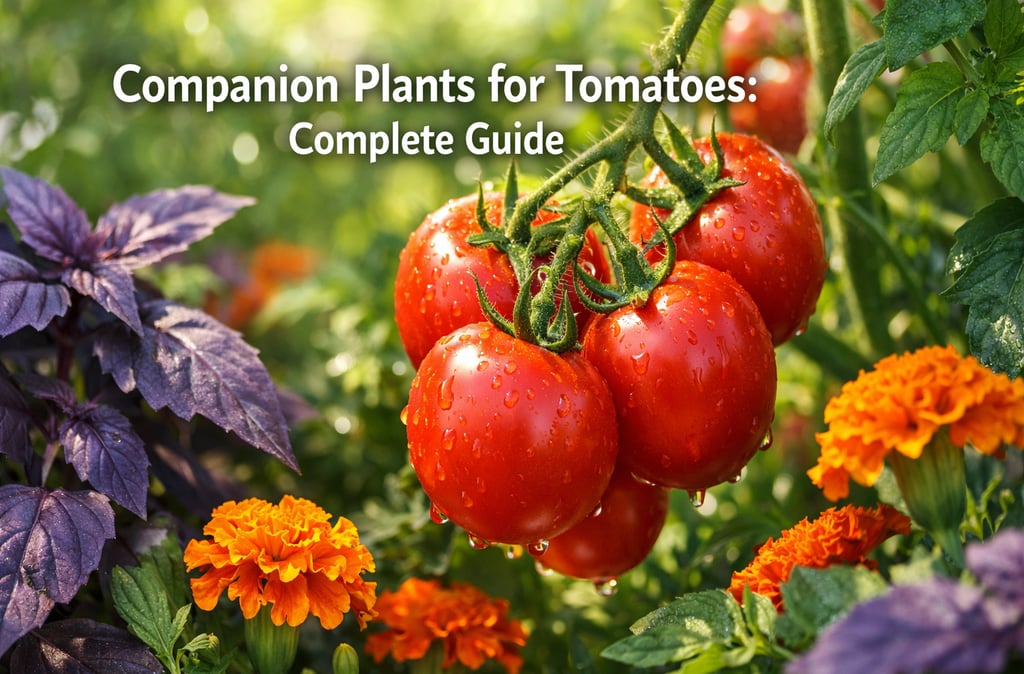
There's something magical about walking into your garden on a warm summer morning and seeing your tomato plants thriving—thick stems, deep green leaves, and clusters of fruit promising a harvest that'll make your neighbors jealous. But here's a secret many gardeners discover after a few seasons of trial and error: tomatoes don't have to go it alone.
Just like us, tomatoes thrive when they've got the right companions nearby. Some plants act as bodyguards, fending off pests that would otherwise munch their way through your precious tomatoes. Others improve the soil, attract beneficial insects, or even make your tomatoes taste better. Yes, you read that right—certain companion plants can actually enhance the flavor of your tomatoes!
I've spent years figuring out which plants play well together in my garden beds, and I'm excited to share everything I've learned about companion planting with tomatoes. Whether you're growing beefsteaks, cherry tomatoes, or heirlooms, the right neighbors can make all the difference between an okay harvest and an absolutely spectacular one.
Why Companion Planting Actually Works
Before we dive into the complete list, let's talk about why this isn't just garden folklore. Companion planting is rooted in real science and centuries of agricultural observation. Different plants have different needs, different root depths, and different ways of interacting with the soil and the creatures around them.
When you plant tomatoes next to basil, for example, the basil's strong scent can confuse aphids and other pests looking for an easy tomato meal. Plant marigolds nearby, and their roots release compounds that repel soil nematodes—microscopic worms that can devastate tomato roots. It's like creating a neighborhood watch system in your garden, where everyone's looking out for each other.
The benefits go beyond pest control:
Some companions fix nitrogen in the soil, feeding heavy feeders like tomatoes
Certain plants attract pollinators and beneficial predatory insects
Ground covers help retain moisture and suppress weeds
Taller companions can provide afternoon shade in scorching climates
Different root depths mean plants aren't competing for the same nutrients
Pro tip: Plant your companions at the same time you transplant your tomatoes. This gives them time to establish their pest-repelling scents and root systems before problems arise. Waiting until you see pests is often too late.
The Best Companion Plants for Tomatoes
Herbs That Love Living Next to Tomatoes
Basil is the superstar companion for tomatoes, and not just because they taste amazing together in a caprese salad. Basil repels thrips, flies, and mosquitoes while potentially improving tomato flavor. I always tuck basil plants around the base of my tomato cages, and I swear my tomatoes taste better because of it.
Pro tip: Plant at least three different basil varieties around your tomatoes—sweet basil, purple basil, and lemon basil each have slightly different scent profiles that confuse a wider range of pests. Plus, you'll have amazing culinary variety.
Parsley is another herb that pulls its weight in the tomato patch. It attracts hoverflies and other beneficial insects that prey on aphids. Plus, having fresh parsley steps away from your tomatoes means you're always ready to garnish that summer tomato salad.
Cilantro (coriander) attracts beneficial insects like lacewings and parasitic wasps. These tiny warriors hunt down aphids, caterpillars, and other pests that might otherwise feast on your tomatoes. Let some of your cilantro bolt and flower—those blooms are like a "help wanted" sign for good bugs.
Oregano acts as a living mulch, spreading along the ground and helping retain moisture while deterring pests. It's tough, drought-tolerant, and provides ground cover that keeps weeds from competing with your tomatoes.
Chives and Garlic Chives repel aphids with their pungent aroma. Their purple-pink flowers also attract pollinators, making them both functional and beautiful additions to the tomato bed.
Flowers That Protect and Beautify
Marigolds (especially French marigolds) are the bodyguards of the garden. Their roots release a substance called alpha-terthienyl that's toxic to root-knot nematodes. Plant them around the perimeter of your tomato beds or intersperse them throughout. The bright orange and yellow blooms don't hurt, either.
Pro tip: Marigolds need to be in the ground for a full season to effectively reduce nematode populations. Plant them in your tomato bed in fall (in mild climates) or early spring, and leave their roots in the soil over winter to maximize their nematode-fighting power.
Nasturtiums are brilliant trap crops—aphids love them even more than they love tomatoes. Plant nasturtiums nearby, and they'll draw aphids away from your precious tomato plants. Plus, nasturtium leaves and flowers are edible, adding peppery flavor to salads.
Borage is a pollinator magnet with beautiful blue star-shaped flowers. It attracts bees and predatory insects while potentially improving tomato flavor and growth. Some gardeners swear that borage-grown tomatoes taste sweeter, and the calcium in borage leaves helps prevent blossom end rot when used as mulch.
Calendula attracts aphid-eating beneficial insects and adds cheerful color to your garden beds. It's also edible and medicinal, making it a triple-threat companion plant.
Vegetables and Greens That Make Great Neighbors
Carrots have deep roots that break up compacted soil, helping water and nutrients reach tomato roots. The relationship works both ways—tomato plants provide afternoon shade for carrots in hot climates.
Lettuce and Spinach grow quickly in the cool spring weather before tomatoes really take off. These leafy greens act as living mulch, keeping the soil cool and moist. Harvest them as your tomatoes grow larger and need more space.
Pro tip: Choose bolt-resistant lettuce varieties like 'Buttercrunch' or 'Jericho' that will tolerate some heat as your tomatoes grow larger and the season warms up. You'll get weeks of extra harvests before they need to come out.
Onions and Shallots repel aphids, spider mites, and other pests with their strong sulfur compounds. Their vertical growth habit means they don't compete much with sprawling tomato plants for space or light.
Asparagus is a long-term companion that returns year after year. Tomatoes repel asparagus beetles, while asparagus roots help deter root nematodes. This is more of a perennial companion situation, perfect for dedicated tomato beds.
Celery repels white cabbage butterflies and provides ground cover. It appreciates the shade from tomato plants during hot afternoons, making this a mutually beneficial pairing.
Legumes That Feed the Soil
Bush Beans fix nitrogen in the soil through their root nodules, essentially fertilizing your tomatoes as they grow. They also help repel beetles. Just avoid planting pole beans, which can compete with tomatoes for vertical space and create too much shade.
Pro tip: When your bean plants finish producing, don't pull them out completely. Cut them off at soil level and leave the roots in the ground. Those nitrogen-rich root nodules will decompose and feed your tomatoes through the rest of the season.
Peas (in cooler climates) work similarly to bush beans, enriching the soil with nitrogen. Plant them early in the season, and they'll improve soil fertility before your tomatoes hit their heavy feeding stage in midsummer.
Pro Companion Planting Tips
Timing matters: Plant fast-growing companions like lettuce and radishes early in the season. They'll be harvested before your tomatoes need the space. This succession planting maximizes your garden real estate.
Don't overcrowd: Even beneficial companions can become competitors if planted too close. Give your tomatoes at least 24-36 inches between plants, and tuck companions around the edges or between plants rather than right at the base.
Diversity is strength: Instead of planting just one companion, create a polyculture with multiple beneficial plants. A tomato bed surrounded by basil, marigolds, and peppers is more resilient than one with just a single companion species.
Let some herbs flower: While we often pinch back basil to keep it producing leaves, letting some plants flower attracts even more beneficial insects. Balance leaf production with letting a few plants go to seed.
The "Stay Away" List: Plants That Don't Play Well with Tomatoes
Not everything belongs in the tomato patch. Some plants compete too aggressively, attract the wrong kind of attention, or even inhibit tomato growth through allelopathy (releasing chemicals that suppress other plants).
Avoid planting these near tomatoes:
Brassicas (cabbage, broccoli, cauliflower, kale) compete heavily for nutrients and attract pests that also damage tomatoes
Corn attracts tomato hornworms and corn earworms, which are the same pest species
Fennel inhibits growth of most plants, including tomatoes, through allelopathic compounds
Potatoes are in the same family as tomatoes (Solanaceae) and share diseases like blight
Walnuts release juglone, a compound toxic to tomatoes and many other plants
Pole beans can overwhelm tomato plants and create too much shade
Pro tip: If you had disease issues with tomatoes last year, don't plant them in the same spot this year, and definitely avoid following tomatoes with potatoes or peppers (or vice versa). These nightshade family members share diseases, so rotate them to a different bed and plant nitrogen-fixing legumes in the old tomato spot to rebuild soil health.
Creating Your Perfect Tomato Companion Garden
Here's where the magic happens—designing a tomato bed that's not just productive but actually beautiful and functional. Think of it as creating a little ecosystem rather than rows of single-crop plants.
My favorite tomato bed layout:
Plant tomatoes 30-36 inches apart in staggered rows
Tuck basil plants around the base of each tomato cage (2-3 per tomato)
Edge the bed with marigolds for nematode protection and color
Fill gaps with lettuce or spinach in spring, switching to oregano as ground cover in summer
Plant a border of garlic or onions for additional pest protection
Scatter a few borage and nasturtium plants throughout for pollinator attraction
This creates layers of protection, improves soil health, attracts beneficial insects, and honestly just looks gorgeous. Your tomato patch becomes more than a vegetable production zone—it becomes a thriving garden ecosystem.
Pro tip: Take photos of your companion planting layout at the peak of the season. Next year, you'll remember exactly what worked and what didn't, where things got overcrowded, and which combinations produced the best results. Garden journals are great, but photos capture details you might forget to write down.
Companion Planting Through the Seasons
Spring (weeks 1-6): Plant cool-season companions like lettuce, spinach, and peas alongside your newly transplanted tomatoes. These will grow quickly while your tomatoes are still small and provide living mulch.
Late Spring/Early Summer (weeks 6-10): As temperatures rise, plant basil, marigolds, and nasturtiums. Harvest your lettuce and spinach to make room. Your tomatoes are growing rapidly and benefiting from the nitrogen fixed by any legumes.
Midsummer (weeks 10-16): Your companion ecosystem is in full swing. Basil is producing prolifically, marigolds are blooming, and beneficial insects are patrolling your plants. This is when you'll really see the benefits of your companion planting strategy—and if you want to maximize those juicy, flavorful tomatoes even further, check out the secret to growing the juiciest tomatoes you've ever tasted.
Late Summer/Fall (weeks 16+): As tomato production winds down, some companions like oregano and marigolds may still be thriving. Leave them in place to protect the soil through fall, or harvest and compost them to feed next year's garden.
Quick Reference: Companion Plant Benefits Chart
Basil
Primary Benefit: Repels pests, improves flavor
Best Location: Around tomato base
Marigold
Primary Benefit: Kills root nematodes
Best Location: Bed perimeter or interspersed throughout
Nasturtium
Primary Benefit: Trap crop for aphids
Best Location: Near but not touching tomatoes
Borage
Primary Benefit: Attracts pollinators
Best Location: Throughout bed, 18-24" from tomatoes
Bush Beans
Primary Benefit: Fixes nitrogen in soil
Best Location: Between tomato plants
Carrots
Primary Benefit: Aerates soil with deep roots
Best Location: Interspersed or in rows between tomatoes
Onions/Garlic
Primary Benefit: Repels aphids and mites
Best Location: Border or between plants
Lettuce
Primary Benefit: Living mulch, quick harvest
Best Location: Under tomato plants early season
Parsley
Primary Benefit: Attracts beneficial insects
Best Location: Around tomato base or edges
Making It Work in Small Spaces
Don't have room for elaborate companion planting schemes? No problem. Even container-grown tomatoes benefit from companions.
For a large container (20+ gallons):
1 tomato plant in the center
2-3 basil plants around the edge
1-2 marigolds for color and protection
For raised beds:
Alternate tomatoes with basil and peppers
Edge with marigolds and nasturtiums
Underplant with lettuce or spinach in spring
The principles scale down beautifully. Even one basil plant next to your single patio tomato makes a difference in pest pressure and gives you fresh herbs for cooking.
Pro tip: In containers, choose compact or dwarf companion varieties. 'Spicy Globe' basil, 'Thumbelina' carrots, and 'Tom Thumb' lettuce are all miniature varieties that won't overwhelm your container tomatoes but still provide companion benefits.
Your Tomato Garden Awaits
Companion planting isn't complicated—it's just about being thoughtful with what you plant where. Instead of seeing your garden as individual plants, start thinking about it as a community where everyone contributes something valuable.
This season, try adding just a few companions to your tomato patch. Maybe start with basil (because fresh pesto is reason enough) and marigolds (because nematode protection is no joke). See what happens. Notice how the plants interact, which pests show up (or don't), and how your tomatoes respond.
Want to stay on top of your garden tasks throughout the year? Grab the free Seasonal Garden Planning Checklist to make sure you're planting companions at the right time and never miss a critical garden task again.
Gardening is a practice of continuous learning and experimentation. What works beautifully in my Michigan garden might need tweaking in your Texas heat or Oregon rain. That's the joy of it—every season teaches you something new about how plants work together.
Now get out there and give your tomatoes some friends. Your harvest will thank you, and you might just find yourself enjoying the most flavorful, abundant tomato season you've ever had.
Support@rusticrootshomestead.com
© 2024 Rustic Roots Homestead - All rights reserved.