
Fermented Vegetables for Gut Health: Your Belly's New Best Friends
Discover how fermented vegetables can transform your gut health with billions of beneficial probiotics, plus practical tips for making and enjoying these tangy, healing foods in your daily diet.
HOMEMADERECIPES
1/24/20269 min read


I'll be honest—when I first heard about fermented vegetables, my immediate thought was "sauerkraut smells weird and looks even weirder." But here I am, years later, with mason jars bubbling away on my kitchen counter like some kind of probiotic science experiment. And you know what? My gut has never been happier.
If you've been struggling with digestive issues, feeling bloated after meals, or just generally sensing that something's "off" with your stomach, fermented vegetables might be the missing piece of your wellness puzzle. Let me walk you through why these tangy, fizzy foods have become a staple in my homestead kitchen—and why they might just change your life too.
What's the Big Deal About Fermentation Anyway?
Fermentation isn't some trendy new health fad—it's actually one of the oldest food preservation methods known to humanity. Our ancestors were fermenting foods long before they understood the science behind it. They just knew that vegetables preserved in salt brine lasted longer and, honestly, tasted pretty incredible.
Here's what happens during fermentation: beneficial bacteria (the good guys) feast on the natural sugars in vegetables, producing lactic acid. This process preserves the food while creating an army of probiotics that do amazing things for your digestive system. Think of it as turning regular vegetables into supercharged gut-healing powerhouses.
The beauty of fermented vegetables is that they're alive—literally teeming with beneficial bacteria that colonize your gut and help restore balance to your digestive system. We're talking billions of probiotics per serving, which is significantly more than you'd find in most probiotic supplements.
Why Your Gut Needs These Friendly Bacteria
Your gut is home to trillions of microorganisms—collectively known as your microbiome—that influence everything from digestion to mood to immune function. When this delicate ecosystem gets out of balance (thanks to stress, processed foods, antibiotics, or just modern life in general), things can go sideways fast.
Common signs your gut microbiome needs some TLC:
Frequent bloating or gas
Irregular bowel movements
Food sensitivities you didn't used to have
Brain fog or mood swings
Skin issues like acne or eczema
Frequent colds or infections
Fermented vegetables help restore this balance by introducing beneficial bacteria that crowd out the harmful ones. It's like sending in reinforcements to help your gut win the war against inflammation and digestive distress.
Pro tip: Start with just a tablespoon of fermented vegetables per day if you're new to this. Your gut needs time to adjust, and diving in with a full cup might leave you feeling gassy and uncomfortable. Trust me on this one—I learned that lesson the hard way.
The Fermented Vegetable All-Stars
Not all fermented vegetables are created equal, and some pack more of a probiotic punch than others. Here are my personal favorites that I keep rotating on my homestead:
Sauerkraut is probably the most well-known fermented vegetable, and for good reason. It's simply cabbage, salt, and time. The crisp, tangy result is loaded with vitamins C and K, plus beneficial enzymes that help you digest other foods better. I add it to sandwiches, scrambled eggs, or eat it straight from the jar when I'm feeling adventurous.
Kimchi is Korea's spicy gift to gut health. While traditional kimchi recipes can include dozens of ingredients, at its core it's fermented napa cabbage with garlic, ginger, and Korean chili flakes. The heat level varies wildly depending on who's making it, but even mild kimchi delivers serious probiotic power along with a metabolism boost from all that spice.
Pickled beets might sound strange if you've never tried them, but they're surprisingly addictive. The earthiness of beets mellows during fermentation, becoming sweeter and more complex. Plus, beets support liver function and help your body detoxify, making them a double win for overall health.
Fermented carrots are my gateway vegetable for people who think they don't like fermented foods. They're slightly sweet, pleasantly crunchy, and way less intimidating than some of the funkier options. I add fresh dill and garlic to mine, which creates this amazing flavor that even my pickiest friends enjoy.
Fermented radishes have a peppery bite that mellows into something almost buttery after a few weeks. They're fantastic for liver support and add a beautiful pop of color to any plate.
How Fermented Vegetables Actually Heal Your Gut
The magic of fermented vegetables goes way beyond just adding probiotics to your system. Here's what's really happening when you make these foods a regular part of your diet:
The lactic acid bacteria produced during fermentation help strengthen the lining of your intestines. Think of your gut lining as a security system—when it's working properly, it lets nutrients through while keeping toxins and undigested food particles out. When it's compromised (a condition called leaky gut), all kinds of problems can develop, from food allergies to autoimmune issues.
Fermented vegetables also produce short-chain fatty acids as they break down in your digestive system. These fatty acids are literal food for the cells lining your colon, keeping them healthy and reducing inflammation throughout your entire body.
Pro tip: The liquid (brine) from fermented vegetables is liquid gold. Don't pour it down the drain! Use it as a digestive tonic, add it to salad dressings, or use it as a starter culture for your next batch of ferments.
The Fermentation vs. Pickling Confusion
Here's something that confused me for years: not all pickled vegetables are fermented. There's a huge difference between fermentation and vinegar pickling, and only one of them delivers those gut-healing probiotics we're after.
Fermented vegetables are preserved through lacto-fermentation—a process where beneficial bacteria naturally present on the vegetables consume sugars and produce lactic acid. This creates an acidic environment that preserves the food while generating probiotics. The vegetables are typically packed in salt brine and left to ferment at room temperature.
Vinegar-pickled vegetables skip the fermentation process entirely. They're preserved in vinegar (which is acidic from the start), often with added sugar and spices, then either canned or refrigerated. They taste great, but they're essentially dead food—no beneficial bacteria survived the pickling process.
When you're shopping, look for terms like "raw," "unpasteurized," or "naturally fermented" on the label. If it's shelf-stable and sitting on a regular store shelf (not refrigerated), it's been pasteurized—which kills all those beneficial bacteria we want. Most store-bought pickles are vinegar-pickled, not fermented.
The basic ratio is about 1-3 tablespoons of salt per quart of water, depending on how salty you like things. Chop your vegetables, pack them in a jar, cover with brine, weight them down so they stay submerged, and let them sit at room temperature for anywhere from 3 days to several weeks.
That's it. Seriously.
The vegetables do all the work themselves. You're just creating the right environment for beneficial bacteria to thrive while preventing mold and harmful bacteria from taking over.
If you're serious about food preservation and want to explore multiple methods for keeping your harvest fresh all year, a properly built root cellar can be a game-changer for storing both fresh and fermented vegetables.
Check out this complete guide to building and using a root cellar for year-round food storage options.
Common Fermentation Fears (And Why They're Overblown)
"Won't it make me sick?"
Nope. Fermentation actually makes food safer by creating an acidic environment where harmful bacteria can't survive. The same process that preserves the food protects you from pathogens. Fermented foods have been keeping humans healthy for thousands of years.
"What if mold grows?"
If you see mold on the surface, just scrape it off. As long as your vegetables stayed submerged in brine and the rest looks and smells fine, you're good to go. That said, proper fermentation technique (keeping everything submerged, using enough salt, maintaining the right temperature) prevents mold in the first place.
"My ferment smells funky—is that normal?"
Ferments should smell sour and tangy, not rotten. Sauerkraut might smell a bit sulfurous during the first few days—that's normal. Kimchi will smell spicy and pungent. Trust your nose. If something smells truly bad (not just unfamiliar), it probably is.
How to Actually Enjoy Eating Fermented Vegetables
Let's be real—eating fermented vegetables straight from the jar isn't everyone's cup of tea, especially when you're just starting out. Here's how I incorporate them into regular meals so they don't feel like medicine:
Add sauerkraut to sandwiches and wraps for a tangy crunch that cuts through rich ingredients like cheese or avocado. It's especially good with pulled pork or Reuben-style sandwiches.
Mix kimchi into fried rice, noodle bowls, or grain salads. The heat and umami flavor add incredible depth to simple dishes.
Top your morning eggs with a spoonful of fermented vegetables. I know it sounds weird, but the combination of creamy eggs and tangy crunch is surprisingly addictive.
Use fermented vegetables as a side dish, just like you would coleslaw or pickles. A small serving alongside grilled meats or fish adds both flavor and digestive support.
Blend fermented vegetables into creamy dressings or dips. Fermented beets make an incredible pink hummus, while sauerkraut blends beautifully into a tangy goddess dressing.
Pro tip: Never heat your fermented vegetables if you want to preserve those beneficial bacteria. High heat kills probiotics, so always add ferments to dishes after cooking or serve them cold.
The Realistic Timeline for Gut Health Improvements
I wish I could tell you that eating fermented vegetables will fix your gut overnight, but that's not how it works. Your gut microbiome is complex, and healing takes time—especially if you've been dealing with digestive issues for years.
Most people notice initial changes within 2-4 weeks of regular consumption. You might experience:
Less bloating after meals
More regular bowel movements
Improved energy levels
Clearer skin
After 2-3 months of consistent consumption, the benefits deepen:
Stronger immune function
Better mood regulation
Reduced food sensitivities
Improved digestion of previously problematic foods
The key word here is consistent. Eating fermented vegetables once a week won't do much. Making them a daily habit—even just a tablespoon or two with meals—creates lasting change.
Buying vs. Making: What's Worth Your Money?
Store-bought fermented vegetables can be excellent, but they're pricey—often $8-12 per jar. If you're eating them daily (which you should be), that adds up fast.
Making your own costs pennies per jar. A head of cabbage that costs $2 can produce multiple quarts of sauerkraut. The initial investment in a few good mason jars pays for itself within weeks.
That said, I totally understand not wanting to make everything from scratch. When buying fermented vegetables, look for brands that are:
Refrigerated (not shelf-stable)
Labeled as "raw" or "unpasteurized"
Made with simple ingredients (vegetables, salt, water, spices)
Free from vinegar in the ingredient list
Some of my favorite brands include Farmhouse Culture, Cleveland Kitchen, and Wildbrine. They're worth the investment if homemade isn't in the cards for you right now.
Beyond Gut Health: The Bonus Benefits
While we've focused primarily on gut health, fermented vegetables deliver benefits that ripple throughout your entire body:
Mental health support: About 90% of your serotonin (the "happy hormone") is actually produced in your gut. A healthy microbiome supports better mood regulation and may help with anxiety and depression.
Enhanced nutrient absorption: The fermentation process actually increases the bioavailability of nutrients, making vitamins and minerals easier for your body to absorb. Fermented vegetables contain higher levels of certain B vitamins than their fresh counterparts.
Natural detoxification: The beneficial bacteria in fermented vegetables help your body eliminate toxins more efficiently, supporting liver function and overall detoxification pathways.
Blood sugar regulation: Regular consumption of fermented vegetables may help stabilize blood sugar levels and reduce insulin resistance over time.
Your Gut Health Journey Starts Small
If you're feeling overwhelmed, remember this: you don't need to become a fermentation expert overnight. Start with one simple fermented vegetable—maybe a jar of sauerkraut from the store or a basic batch of fermented carrots you make at home.
Add a tablespoon to one meal per day. That's it.
As your gut adjusts and you start feeling the benefits, you can gradually increase the amount and variety. Some people eventually work up to a cup or more per day, but there's no rush to get there.
Your gut is resilient and wants to heal. You just need to give it the right tools—and fermented vegetables are one of the most powerful, time-tested tools we have. They've been healing guts for thousands of years, and they'll work for yours too.
The journey to better gut health doesn't require expensive supplements, complicated protocols, or restrictive diets. Sometimes the answer is as simple as a jar of tangy, crunchy vegetables sitting on your counter, bubbling away with billions of tiny helpers ready to transform your digestive health from the inside out.
Making Your Own Is Easier Than You Think
I know the idea of fermenting your own vegetables might sound intimidating, but it's honestly one of the easiest food preservation methods I've tried. Easier than canning, less finicky than dehydrating, and way more forgiving than you'd expect.
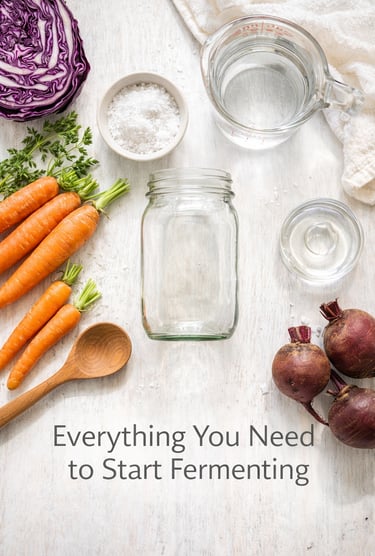
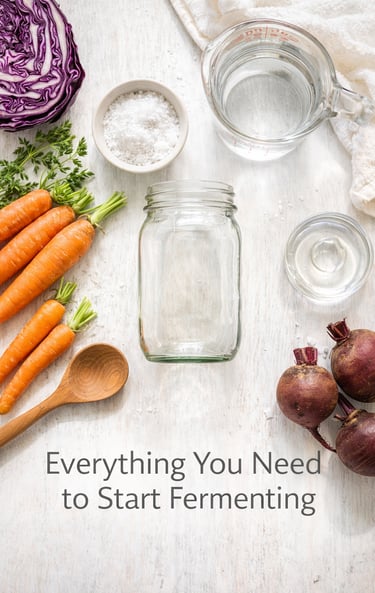
All you really need is:
Fresh vegetables (organic when possible, since you want beneficial bacteria, not pesticides)
Quality sea salt or pickling salt
Filtered water (chlorine in tap water can inhibit fermentation)
Glass jars with some kind of weight to keep vegetables submerged
Support@rusticrootshomestead.com
© 2024 Rustic Roots Homestead - All rights reserved.